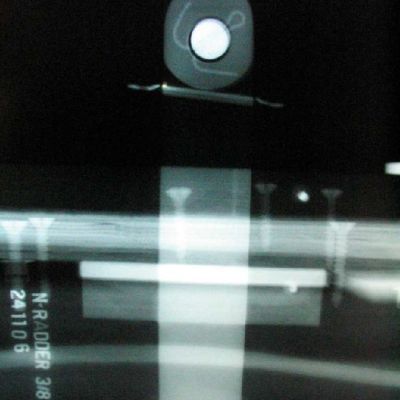
Xraying chainplates in Trinidad
Visibility Public
The equipment consisted of a very heavy metal box about 12” long by 6” square, a long Morse-like cable with a crank mechanism on one end, and a supply of film in heavy sleeves.
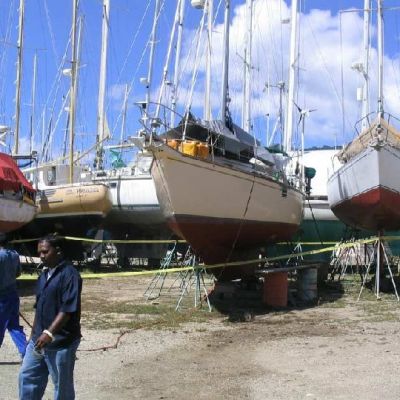
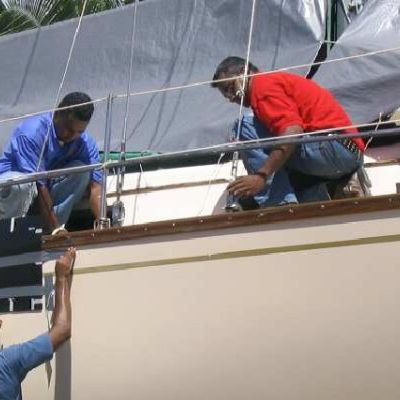
We had 7 chainplates to x-ray. The workers came to the boat while it was on the hard, ribboned off a no-go zone, and went to work. They taped the film outside on the hull and took the shots from above deck. The metal box was set up on deck close to the area to be x-rayed. Inside the metal box is a radioactive isotope. The cable pushes the radioactive isotope out of the box to the end of a flexible metal-capped tube that was positioned to direct the radiation towards the film. It is allowed to radiate energy for a specific time (70 seconds), after which the radioactive isotope is pulled back into the box. During the procedure everyone moved at least 30 feet away.
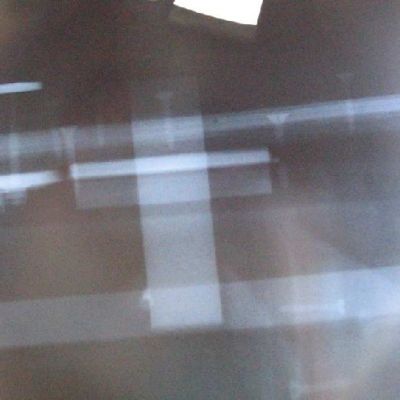
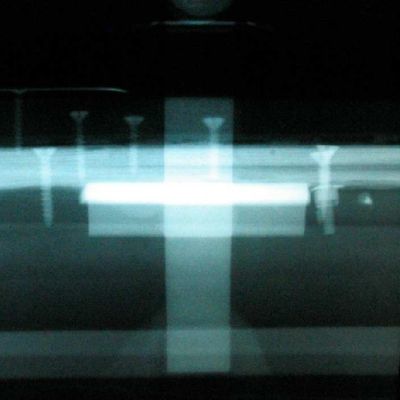
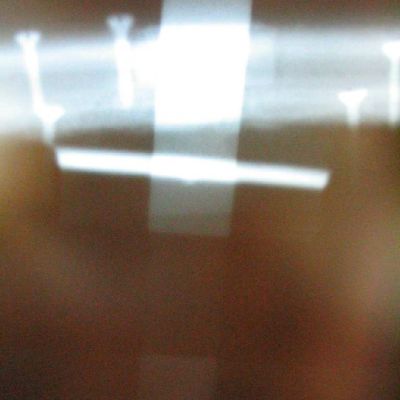
Our pictures were delivered to us the following day. The 2 stern shots didn’t turn out very clear (incorrect exposure) so we only paid for one of them but received both shots. No obvious faults were detected in any of the shots. We decided to have the starboard stern chainplates removed as a “control” to help give us some confidence about the quality of the x-rays. The chainplate we removed wasn’t bedded very well and did show some rust stain inside the lazarette.
Costs: $300TT each x-ray (we had 7) + vat(15%)
Norm
s/v Realtime